Alternative Counting and Measurement Deep Dive
Number Systems Analysis - A curated collection from jan Misali
About this Rabbit Hole
Ever wondered if there's a better way to count than our conventional system? Dive into jan Misali's Number Systems Analysis rabbit hole and explore the fascinating world of seximal responses, a quirky joke about measurement, and a unique defense of the imperial measurement system. Did you know there are 48 regular polyhedra? And can you guess how many Super Mario games there are? Trust me, you'll be surprised by what you learn. Watch in order or skip around — each video adds a new layer.
Videos in this Rabbit Hole
a better way to count

Our Commentary
Forget counting in boring old decimal, let's switch to seximal for a change. Not sure if it's revolutionary or just plain confusing, but hey, anything to spice up math class, right?
seximal responses

Our Commentary
So I guess we're combining math and sexiness now? I'm not quite sure how to feel about this, but hey, at least it's educational...I think?
a joke about measurement
Our Commentary
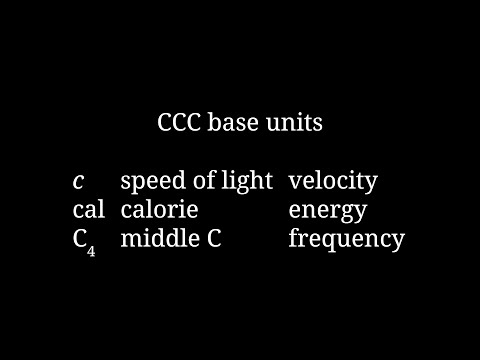
Why use inches, feet, and yards when you can measure in "seximals"? This video just made rulers everywhere feel inadequate.
a defense of the imperial measurement system

Our Commentary
Defending the imperial measurement system is like trying to justify wearing socks with sandals - sure, some people might still do it, but it's definitely not ideal.
there are 48 regular polyhedra

Our Commentary
Just when you thought shapes were basic, this video hits you with 48 regular polyhedra in all their geometric glory. Who knew there were so many ways to slice and dice a shape? Mind = blown.
how many Super Mario games are there?

Our Commentary
So apparently trying to count all the Super Mario games is like trying to find the end of a rainbow - you keep thinking you're almost there, but then you realize there's just more and more to uncover. It's a never-ending gameception.
Final Thoughts
From Our Blog

The Curiosity Loop: How the Internet Rewired Learning
Explore how the internet rewired the way we learn through the curiosity loop. From digital amnesia to hyperlink-driven associative learning, discover how browsing reshaped human cognition.

Why Your Brain Treats Online Arguments Like Physical Threats
Learn why your brain treats online arguments like physical threats. Explore the amygdala hijack, identity-protective cognition, and the online disinhibition effect to understand why digital conflict feels so intense.

Digital FOMO: The Psychology of Feeling Like You're Missing Out Online
Understand the psychology behind digital FOMO and why social media makes you feel like you're missing out. Explore social comparison theory, the highlight reel effect, and how notification design drives the fear of missing out.

Why Nostalgia Content Goes Viral Every Time | Viral Psychology
Explore the psychology behind why nostalgia content goes viral every time. From the warm glow effect to generational identity signaling, discover what makes throwback posts so irresistible.

The Attention Economy: What Your Focus Is Actually Worth
Discover what your attention is actually worth in the attention economy. Learn how advertisers price your focus, why attention is a finite resource, and how platforms compete for every second of your day.

Why We Trust Strangers Online More Than Experts | Online Trust Psychology
Explore the psychology of online trust: parasocial relationships, the authenticity heuristic, social proof, institutional distrust, and why anonymity creates false intimacy.